




Disclaimer:
The web page above is NOT intended to provide, NOR should it be used for, medical diagnosis or emergency care. It contains general reference information and should not be used as a substitute for consulting with your physician or other healthcare professional. This site contains links to other 3rd party sites and although we have made attempts to make sure these links are currently active but do not assure any responsibility for the content of these websites. We highly recommend that you review the policies of these websites as well. We do not and will not be liable for any direct, indirect, incidental, special, consequential or exemplary damages, including but not limited to, damages for loss of profits, goodwill, use, data or other intangible losses (even if advised of the possibility of such damages), resulting from the use or the inability to use the information contained on this web page. It contains general reference information and should not be used as a substitute for consulting with a qualified, physician or other healthcare professional.
You Are Visitor # Since Since Since March 4th, 2009
Image Copyright 2007, All Rights Reserved.





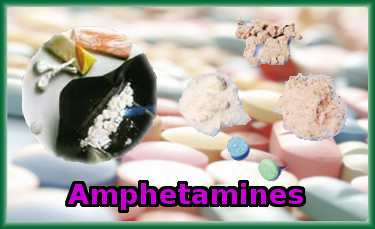
Amphetamines
Street Names: Speed, Poor man's cocaine, Whizz, Phet, Sulphate, Uppers, Pep Pills, Dexies, Minstrels, Blues, Sweets, Black Bombers, Dominoes.
Description: Usually found in powder form and snorted. It can also be found in pill form or it can be injected.
Signs of use: Hyperactive, pupils wide, loss of appetite, insomnia.
Effects: After taking the drug the nervous system speeds up which causes an increase in heart rate, breathing .It can produce sensations of alertness, confidence, happiness, increased energy levels and feelings of well being. Works as an appetite suppressant.
Risks: After taking amphetamines you can feel tired, lethargic, hungry, paranoid and depressed. The comedown effects may last for days and if injected it may be very harsh on the stomach. It is psychologically addictive and it may be very hard to give up after a tolerance is formed.
Addictiveness: High, both physically and psychologically.
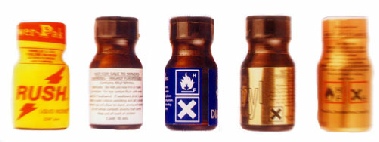
Amyl Nitrate
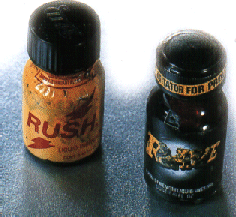
Street Names: Poppers, liquid gold, TNT, rush, stud, stag, ram, snappers, bananas,
hi-
Description: Inflammable, liquids, smelling like pear drops. Sold in sex shops, often used by gay men as a muscle relaxant. Inhaled only. The cap is taken off and there is an aroma which is inhaled by mouth and nose. Often used with other drugs e.g. Ecstasy to enhance sensations of a "rush".
Sighs of Use: Disturbed behaviour, similar to drunkenness. Often associated with sexual behaviour.
Effects: Start immediately and lasts only 2-
Risks: Possible vomiting, shock and unconsciousness, slowed perception of time. Blue tinge in lips and skin. The reduction in blood pressure can result in loss of balance and fainting, especially if people are involved in physical activity like dancing. The likelihood of accidents is increased and people with heart or blood pressure are more at risk. Poppers increase pressure within the eyeball and should not be used by anyone with glaucoma. Regular use can also lead to problems around the nose and mouth. Swallowing a large quantity can lead to unconsciousness. Some deaths have occurred this way. Long term use can lead to nausea, dizziness, delirium and impaired respiration.
Addictiveness: With continued use tolerance will develop after about 2-
Overdose symptoms: Nausea vomiting decreased blood pressure and respiration fainting coldness of the skin Possible circulatory collapse and death.
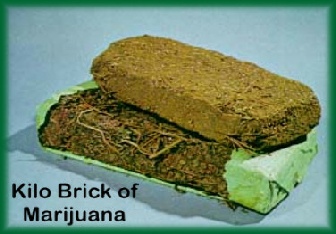
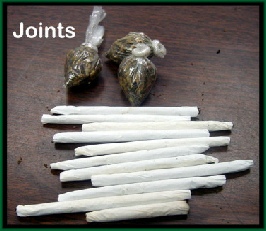
Cannabis
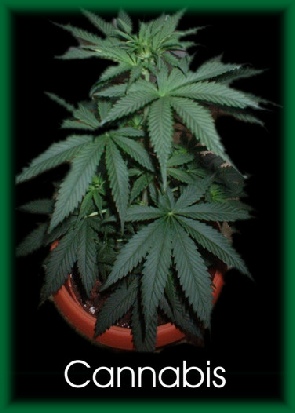
Street Names: Marijuana, Blow, Draw, Splif, Weed, Shit, Hash, Ganja, Dope, Grass,Pot, Smoke, Moroccan Gold, Pakistani Black, 5 spot, 10 spot, THC and Joint.
Description: Cannabis is a genus containing a coarse, tall, hairy annual herb that
provides fiber from its stems, oil from its seeds, and drugs from its leaves and
flowers. The only species of Cannabis, also called hemp or India hemp, is a native
of Central Asia but is widely cultivated and found as a weed throughout North America.
The plant grows up to 1.8 m (6 ft) tall, with coarsely-
Cannabis Grass: this is the least powerful form and is smoked. It looks like dried herbs and skunk is a powerful form of this.
Cannabis Resin: Can be either black or gold and is smoked or eaten in cakes. It is sold in the form of a small cube which is then broken down.
Liquid: this is the most powerful form and is painted onto the paper of normal cigarettes
Signs of use: Glassy eyes, pupils wide, laid back, loss of interest in study, work and games. Cigarettes broken open, home rolled joints.
Effects: Cannabis makes the person feel relaxed and because it's a mild hallucinogen, they can find colours and sounds brighter and sharper. Users experience feelings of euphoria and become more sociable and receptive to those around them. It makes it easier to concentrate on boring tasks.
Risks: If a person smokes regularly or very heavily, they could have heart, lung and breathing problems, as with cigarettes. Some users report reactions of fearfulness, confusion and anxiety. Long term effects include memory loss, paranoia and lethargy. They might also feel depressed and restless and anyone who has any mental problems should not smoke cannabis regularly. Cannabis smoke is many times stronger than that of tobacco and therefore carries a high risk of certain forms of cancer. It tends to increase the users appetite. It also affects a person sense of time and distance. After taking cannabis you may become very tired and need a lot of sleep.
Addictiveness: Psychological, dependence possible -
Dangers: Although cannabis is not as dangerous as most other drugs, its chemicals stay in the body for several weeks. If you are a member of one of the following groups then you at particular risk from cannabis;
- Epileptics, as cannabis may cause fits
- Those who have previously experienced bad trips
- Women of child bearing age
- People with heart trouble or bronchitis
- Teenagers, as it will affect you academically
- Those people with ill-
health - People addicted to other drugs, as they will probably become dependant on cannabis
- Those who are already smoking cannabis are more likely to experiment with other drugs
Cocaine
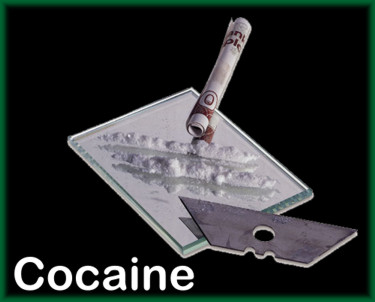
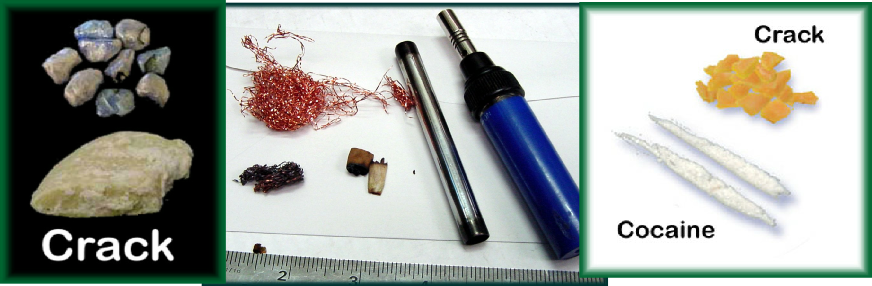
Street Names: Charlie, Coke, Snow, Snowdust, Flake, Crack
Description: Cocaine is an alkaloid obtained from leaves of the coca plant and
used medically as a local anesthetic .The plant is about 1 to 2 m (about 3 to 6 ft)
high, with straight branches and leaves that resemble tea leaves. It is also widely
abused as a drug. Cocaine has long been known as a drug of abuse, but it came into
particular prominence in the late 1970s and the 1980s. Cocaine hydrochloride, a water-
Signs of use: Hyperactive, pupils wide, loss of appetite, insomnia.
Effects: Altering taking cocaine users have said to experienced feelings of confidence, well being and energy. It reduces the users appetite and desire to sleep.
Risks: Chronic use can lead to skin abscesses, perforation of the septum of the nose, weight loss, exhaustion and damage to the nervous system. If smoked there is an increased desire for more and it has caused brain damage. In some cases it has caused death due to hearth or respiratory failure.
Addictiveness: High
Dangers: After taking cocaine the user pushes the body further than it would usually go and neglect the need for sleep and food. Therefore when the person comes down off it again they are left open to disease, illness and exhaustion. In some cases sudden death may occur.
Chemical Methamphetamine Hydrochloride -
 Street Names: Generally just known as methamphetamine, common street names are
crystal meth, ice, crank, speed, meth, tweak, go-
Street Names: Generally just known as methamphetamine, common street names are
crystal meth, ice, crank, speed, meth, tweak, go-
Description: Methamphetamine hydrochloride is usually cooked in makeshift labs and sold on the street as a powder, which is injected, snorted, or swallowed. The smokable form of methamphetamine known as "glass" or "ice". This substance is called "ice" because it resembles rock candy or a chip of ice. In its conventional, powdered form, which is usually snorted, ingested, or injected.
Crystal Meth is a potent, smokable form of methamphetamine, while crack is a potent
form of freebase cocaine. The substances are smoked in a similar fashion and both
provide the user with an immediate, intense high and increased alertness. Users refer
to the sensation from smoking ice as "amping", as in an "over-
In contrast to cocaine, which is derived from the refined leaves of the South American
coca plant and then imported, ice is synthesized in a chemical laboratory. Crack
is usually packaged in glass or plastic vials and sold in small quantities of 300-
Signs of use: Anxiousness; nervousness; incessant talking; extreme moodiness and irritability; purposeless, repetitious behavior, such as picking at skin or pulling out hair; sleep disturbances; false sense of confidence and power; aggressive or violent behavior; disinterest in previously enjoyed activities; and severe depression.
Effects: Crystal Meth is used by placing the substance in a glass pipe, heating it, and inhaling the resulting vapors. The vapors enter the bloodstream directly through the lungs and are rapidly transported to the brain. When Crystal Meth is heated, its solid crystals turn to liquid. When it cools, ice reverts to its solid state and is therefore reusable. Since Crystal Meth is odorless, it can easily be used in public without being detected. In addition to its use for recreational purposes, Crystal Meth is often used in the workplace to increase alertness. Some users smoke Crystal Meth for days at a time and then "crash" in a deep sleep lasting 24 hours or more.
Risks: Risks are so extreme because the drug works so well at over amping the central nervous system and zapping feelings of hunger and fatigue.
The result is the same sort of physical stress that follows any extreme exertion-
Addictiveness: Methamphetamine is highly addictive.
Crystal Fear, Crystal Clear (2005)
Director: Eva Wunderman
Run Time: 45 minutes
Synopsis: Using cinema verité, “Crystal Fear, Crystal Clear” documents a year in
the life of three families affected by crystal meth. Relationships between parents
and children are torn apart. A high school girl moves in with her drug-
Crystal Meth is the third most abused drug in the world and has become a drug of choice for many teens. It is a major problem for communities throughout North America and other parts of the world. It’s highly addictive, cheap, easy to get, and can cause permanent brain damage.
©Wunderman Film Inc. 2005. All rights reserved -
Ecstasy
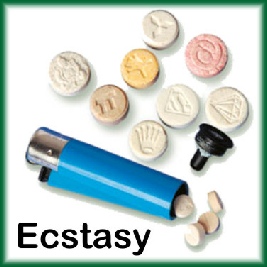
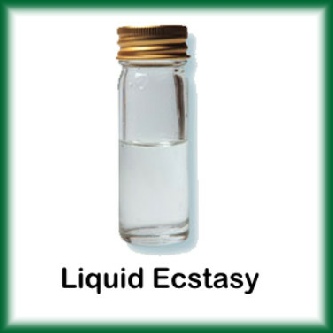
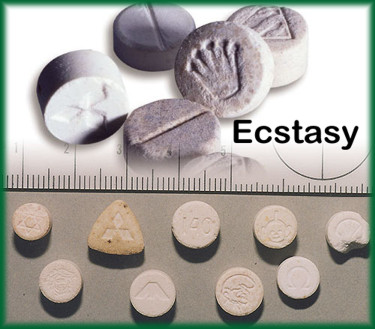
Street Names: E, Love Doves, Disco Biscuits, XTC, Edward, Essence, Shamrock, Denis the Menace, MDMA, Burgers, Brownies, Doves, Biscuits, New Yorkers, Ecky, Diamonds, Adam, Fantasy, Rhubarb and Custard.
Description: Ecstasy is a mixture of chemical substance which vary from tablet to tablet. The main ingredient is MDMA. It can be mixed with anything from tranquillizers to rat poison. It usually comes in tablet or capsule from which are mainly white, brown, pink, beige, or yellow. If is rarely sold as a powder. The tablets are swallowed.
Signs of use: At first -
Effects: Often causes an euphoric rush that makes the user feel elated, energetic and intimate with those in their company. It heightens the users appreciation for colours and sounds and allows them to dance for hours on end. It has been known to heighten sexual experience.
Risks: Not long after taking ecstasy the user can experience diarrhea, sweating, anxiety, insomnia and psychosis and nausea. It has also been known to cause muscle pain, depression and fatigue days after the effects of the drug wear off.
Dangers: Ecstasy is a stimulant and therefore it increases the users body temperature. This combined with the rise in body temperature because of dancing often causes dehydration which leads to heatstroke. This has killed many users in Europe.
Addictiveness: Psychological, dependence possible.
Heroin
Street Names: Smack, Gear, H, Scag, Junk, China White, Elephant, Brown, Harry, Scat,
Jack, Horse, Boy, Thing, Mexican Brown, Powder or "Chasing the Dragon" when being
smoked.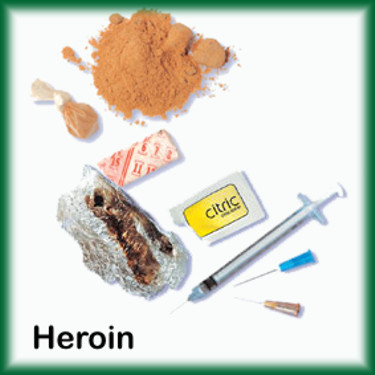
Description: Heroin is one of a number of opiates derived from the poppy plant. . Opium is grown mainly in Turkey and India. The legitimate world demand for opium amounts to about 680 metric tons a year, but many times that amount is distributed illegally. Heroin is sold on the street as a powder and is smoked, eaten, or injected after being mixed with water. Although the synthetic narcotic methadone (trade name Demerol) has been used to offer addicts some relief from opiates, it is itself addictive. Complete recovery from opiate addiction requires years of social and psychological rehabilitation.
Signs of use: Pin-
Effects: Heroin users experience a rush of pleasure and the feeling that they cannot be harmed and that they are detached from the rest of the world.
Risks: When taken in large quantities or in conjunction with a lot of alcohol it can be fatal. Problems for someone who is addicted when there are off it include drowsiness, sweats, anxious breathing, vomiting and possibly even coma. Therefore it is very hard to "kick the habit". These symptoms begin to occur within four to six hours after coming down from it.
The Dangers: As heroin is commonly injected there is a major risk of contracting
HIV or other diseases through un-
Addictiveness: Highly, both psychologically and physically
Inhalants
 Street Names: Glue, gas, sniff (solvents); whippets (nitrous oxide); poppers, room
odourizers, VCR cleaner -
Street Names: Glue, gas, sniff (solvents); whippets (nitrous oxide); poppers, room
odourizers, VCR cleaner -
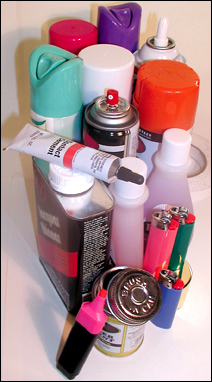
Description: The term "inhalants" refers to chemical vapours or gases that produce
a "high" when they are breathed in. Most of the substances used as inhalants, such
as glue, gasoline, cleaning solvents and aerosols, have legitimate everyday uses,
but they were never meant for human consumption. Inhalants are cheap, legal and easy
to get. They have a high potential for abuse -
There are hundreds of different kinds of inhalants, roughly dividing into four different types:
Volatile solvents: These are the most commonly abused type of inhalants. "Volatile"
means they evaporate when exposed to air, and "solvent" means they dissolve many
other substances. Examples of solvents used as inhalants include benzene, toluene,
xylene, acetone, naptha and hexane. Products such as gasoline, cleaning fluids, paint
thinners, hobby glue, correction fluid and felt-
Aerosol or spray cans: Hair spray, spray paint, cooking spray and other aerosol products contain pressurized liquids or gases such as fluorocarbon and butane. Some aerosol products also contain solvents.
Gases: This includes some medical anesthetics, such as nitrous oxide ("laughing gas"), chloroform, halothane and ether, as well as gases found in commercially available products, such as butane lighters and propane tanks.
Nitrites: Amyl nitrite, butyl nitrite and cyclohexyl nitrite (also known as "poppers") are different from other inhalants in effect and availability. They are sold as "room odourizer" or "video head cleaner." Amyl nitrite is used medically to treat cyanide poisoning; butyl nitrite is an illegal substance in the United States.
Where do inhalants come from? Many inhalants are widely available as commercial products. It is hard to prevent their use because these products are found in many homes and workplaces. Some manufacturers taint their products to try to make them less appealing to use as inhalants, but this has not prevented use.
What do inhalants look like, and how are they used? Solvent and aerosol products
-
When solvents are used as drugs, they are either inhaled directly from the container ("sniffed"), from a soaked rag held to the face ("huffed") or from a bag ("bagged"). Sometimes people spray aerosols into a bag or balloon and then inhale the gas.
Nitrous oxide or other anesthetic gases intended for medical use are contained in a gas tank; nitrous oxide is also found in whipped cream dispensers. Because nitrous oxide is pressurized and can be very cold, it is often inhaled from a balloon.
Nitrites are clear yellow liquids that are inhaled directly from the bottle or from a cloth.
Signs of use: There is a common link between inhalant use and problems in school
-
What to Look for: Strong chemical odor (in room, on clothing, on breath); Chemicals missing in the home or going down too quickly; Extremely drowsy appearance, possibly fainting; Paper bags or rags used to sniff the chemicals; Strange aerosolized or other chemicals hidden in child's room or in school locker ; Discarded containers of whipped cream or spray paint; Unusually large supply of white out or other office chemicals that have a strong odor.
Effects: The immediate effects that are commonly seen after a person has used an inhalant are nausea, headache, nosebleeds, coughing, increase in heart rate, loss of appetite, bad breath, sneezing, lack of coordination, tiredness, etc. Usually, the immediate effects found in a person would depend on the drug dose that he or she has inhaled. People who take inhalants feel excited, hallucinated and distorted. They may have a slurred speech and also may turn violent, harming themselves as well as those around them.
If a person becomes addicted to inhalants for a longer period of time, it can cause harmful effects on the physical and mental health of that person. Long term effects found on people who use inhalants are weight loss, loss of hearing, irregular heartbeat, damage to the kidney, and also damage to the bone marrow and liver. It can also cause mental imbalance and memory impairment.
Risks: Even a single session of repeated inhalant abuse can disrupt heart rhythms and cause death from cardiac arrest or lower oxygen levels enough to cause suffocation. Regular abuse of these substances can result in serious harm to vital organs including the brain, heart, kidneys, and liver.
The Dangers: Nearly all used products produce effects similar to anesthetics, which slow down the body's function. Varying upon level of dosage, the user can experience slight stimulation, feeling of less inhibition or loss of consciousness. The user can also suffer from Sudden Sniffing Death Syndrome. The user can die the 1st, 10th or 100th time he or she uses an inhalant.
How can you possibly die from using inhalants? According to medical experts, death can occur in at least five ways:
- Asphyxia -
- solvent gases can significantly limit available oxygen in the air, causing breathing to stop Suffocation - - typically seen with inhalant users who use bags - Choking on vomit
- Careless and dangerous behaviors in potentially dangerous settings
- Sudden sniffing death syndrome, presumably from cardiac arrest.
Addictiveness: When inhalant use continues over a period of time, a user will probably develop a tolerance to inhalants. This means that the user will need more frequent use and greater amounts of a substance to achieve the effect desired. This, in turn, leaves a user at much greater risk of suffering from possible negative effects of the drug, such as liver, lung, and kidney impairment, brain damage, nervous system damage, and even death.
Physical dependence can also result, and when a user tries to give up the inhalant habit, withdrawal symptoms such as hallucinations, headaches, chills, delirium tremors, and stomach cramps may occur.
LSD -
 Street Names: LSD is sold under more than 80 street names including: acid, blotter,
cid, doses, dots, microdot, pane, paper acid, sugar, sugar cube, window glass, zen,
as well as names that reflect the designs on sheets of blotter paper.
Street Names: LSD is sold under more than 80 street names including: acid, blotter,
cid, doses, dots, microdot, pane, paper acid, sugar, sugar cube, window glass, zen,
as well as names that reflect the designs on sheets of blotter paper.
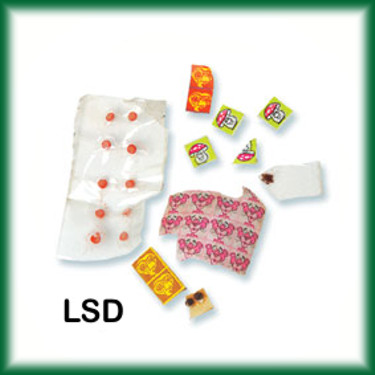
Description: Lysergic Acid Diathylamide (LSD) is a psychoactive hallucinogenic drug. It comes in a variety of forms, but is most commonly sold in the form of blotter paper, which is small paper squares that has been dipped in LSD. This photo shows the actually size of the squares.
The drug also can be found in several others forms -
Signs of use: Dilated (large) pupils Disorientation Rambling or strange speech Sweating
Rapid mood changes Panic and/or heightened anxiety response Stamp-
Effects: The effects of LSD are unpredictable. They depend on the amount taken, the user's personality, mood, and expectations, and the surroundings in which the drug is used. The physical effects include dilated pupils, higher body temperature, increased heart rate and blood pressure, sweating, loss of appetite, sleeplessness, dry mouth, and tremors. Sensations and feelings change much more dramatically than the physical signs. The user may feel several different emotions at once or swing rapidly from one emotion to another. If taken in a large enough dose, the drug produces delusions and visual hallucinations. The user's sense of time and self changes. Sensations may seem to "cross over," giving the user the feeling of hearing colors and seeing sounds. These changes can be frightening and can cause panic.
Users refer to their experience with LSD as a "trip" and to acute adverse reactions
as a "bad trip." These experiences are long -
Some LSD users experience severe, terrifying thoughts and feelings, fear of losing control, fear of insanity and death, and despair while using LSD. Some fatal accidents have occurred during states of LSD intoxication.
Risks: Long term effects of LSD users may experience flashbacks, recurrence of certain
aspects of a person's experience without the user having taken the drug again. A
flashback occurs suddenly, often without warning, and may occur within a few days
or more than a year after LSD use. Most users of LSD voluntarily decrease or stop
its use over time. LSD is not considered to be an addicting drug because it does
not produce compulsive drug-
The Dangers: LSD is a powerful mental amplifier. If you are feeling depressed, anxious, angry this drug can make you enormously sensitive to your environment. The most notorious peril from taking LSD is the 'bad trip' when the experience turns frightening and traumatic. Of all psychedelic drugs, LSD probably has the highest potential for creating bad trips. Also, LSD can bring buried and repressed unconscious material into conscious awareness.
Addictiveness: LSD users create a tolerance to the drug so that you would have to take more and more to get high again.
Magic Mushrooms
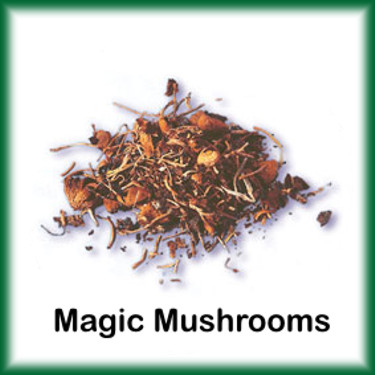 Street Names: Mushies, liberty caps, pixie caps, psilocybin, shrooms
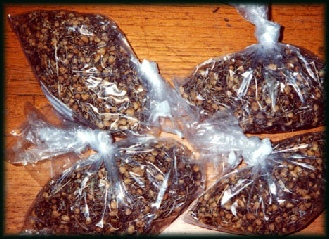
Description: These are hallucinogenic mushrooms that grow wild in many parts of the world and the UK in autumn. The main type used is the liberty cap (Psilocybe semilanceata) but fly agaric (Amanita Muscaria) is also sometimes used.
Magic mushrooms (except Fly Agaric) are usually eaten raw but are also dried out
and stored for later use. They can also be cooked into food or made into a tea or
infusion and drunk. 20 -
Signs of use: Distorted sense of sight, hearing, and touch; dilated pupils; anxiety or paranoia; mood swings; faintness; irrational behavior.
Effects: In small amounts, users feel relaxed and happy. In larger amounts the experience hallucinations. Magic mushrooms are hallucinogenic. The hallucinogenic effect, or ‘trip’, tends to last about four hours. This is similar to an LSD trip in its effects and its unpredictability, but it tends to be milder. However, there are still a number of risks involved.
Risks: Magic mushrooms can quite easily be confused with other species of mushroom. Some of these can cause potentially fatal poisoning. If users become ill they should go to hospital immediately with a sample of the mushrooms they have taken and explain what has happened Ingesting magic mushrooms can cause stomach pains, nausea and vomiting. Bad 'trips' can happen, and there's no going back until the effects have worn off. Like any hallucinogen, magic mushrooms can complicate existing mental problems. Serious health risk and even death may result due to eating the wrong kind of mushrooms. Fly Agaric mushrooms are hallucinogenic but contain no psilocybin or psilocin. However, they are difficult to take safely and there's much debate over whether Fly Agaric mushrooms are lethal or not.
Addictiveness: At present, no serious lasting sequels to the long-